
5 Data Analytics Mistakes Costing UK Small Businesses Money (And How to Fix Them)
Discover the 5 most expensive business analytics mistakes UK SMEs make. Learn practical fixes with real cost estimates to improve your data strategy today.
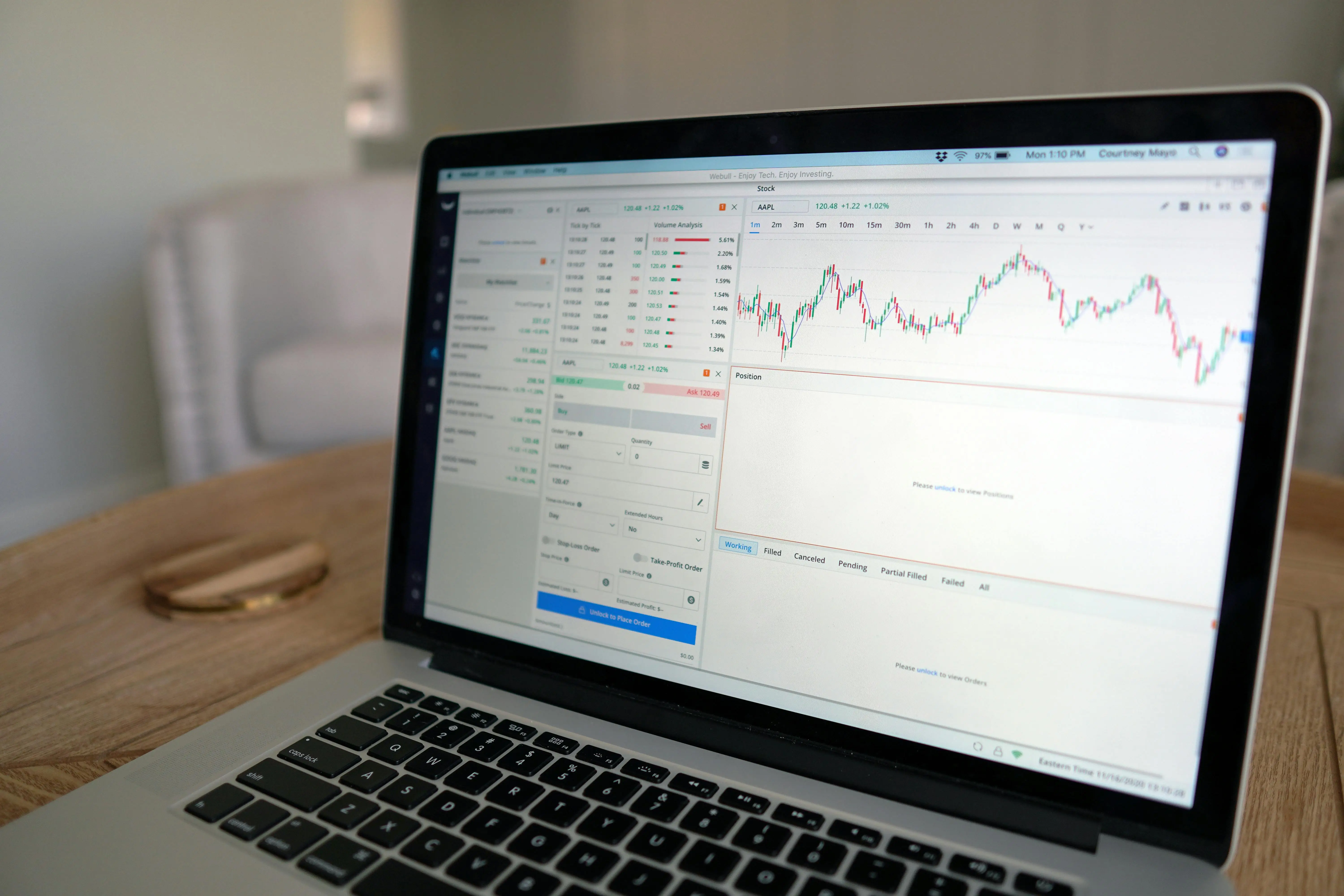
A Nottingham retailer spent £4,200 on a fancy analytics dashboard last year. It looked impressive. Lots of graphs, real-time updates, the works. Six months later, nobody in the company had logged in for three weeks. The dashboard sat there, quietly draining their subscription budget whilst they made decisions the same way they always had – gut feeling and whatever their sales manager reckoned.
Sound familiar? You're not alone. British SMEs are pouring money into data analytics with the best intentions, only to watch their investment gather digital dust. The UK data analytics market is growing at nearly 20% annually, and everyone has been told they need to "leverage their data" or get left behind. But here's what nobody mentions: most small businesses don't fail at analytics because they don't have enough data or expensive enough tools. They fail because they make a handful of avoidable mistakes that derail the whole thing before it starts.
Let's walk through the five biggest culprits and, more importantly, what you can actually do about them.
Mistake 1: Ignoring GDPR When Setting Up Analytics
This one catches more UK businesses than you'd think. You install Google Analytics, connect your CRM, maybe add some tracking pixels, and congratulations, you've just potentially violated UK data protection law.
Since Brexit, we've had UK GDPR alongside the Data Protection Act 2018. The rules haven't gone away; they've just got a slightly different accent. And the Information Commissioner's Office (ICO) isn't just chasing big tech companies. A Sheffield e-commerce business received an enforcement notice last year for setting analytics cookies before visitors gave consent. Their cookie banner looked compliant, but their implementation wasn't.
The most common analytics-related GDPR mistakes we see:
Analytics cookies firing before consent. Your banner says "accept or reject," but Google Analytics starts tracking the moment someone lands on your page. That's a problem. The ICO has specifically called out this behaviour, and fines can reach up to £17.5 million or 4% of turnover for serious breaches.
Not having a proper lawful basis for analytics. "Legitimate interests" isn't a get-out-of-jail-free card. If you're tracking individual behaviour to build customer profiles, you probably need consent, and that consent needs to be specific, informed, and genuinely optional.
Ignoring data retention periods. How long are you keeping that user data? Google Analytics 4 defaults to 14 months, but that might still be longer than you can justify. If someone asks where their data went, can you actually tell them?
The Fix (Budget: £0-500)
Start by auditing what you're actually tracking. Log into Google Analytics 4 and check your data retention settings; consider shortening them. Make sure your cookie consent tool actually blocks analytics scripts until someone clicks "accept." Most decent consent management platforms (like CookieYes or Termly) offer compliant implementations for under £10/month.
For a proper GDPR audit, you might want a data protection consultant to review your setup. Expect £300-500 for a basic review, but it's cheaper than an ICO investigation.
Internal link suggestion: Our data analytics service includes GDPR compliance checks as standard.
Mistake 2: Tracking Everything and Understanding Nothing
"We track 147 different metrics across our website and social channels."
Great. Which ones actually matter?
Silence.
There's a particular type of analytics paralysis that hits small businesses hard. You've heard you should be "data-driven," so you start measuring everything. Page views, bounce rates, time on site, scroll depth, button clicks, form abandonments, email open rates, social impressions, engagement rates... the list grows weekly.
The problem? You end up with so much data that you can't see the signal through the noise. A Manchester marketing agency we worked with had a 47-page monthly analytics report. Nobody read past page 3. Meanwhile, the three numbers that actually mattered to their business – lead quality score, proposal win rate, and average project value- weren't being tracked at all.
Vanity metrics are the worst offenders. Social media followers, website traffic, and email list size feel good but often don't correlate with anything useful. A Birmingham café discovered its Instagram following had doubled over six months, but footfall hadn't changed. Turns out most of their new followers were other food bloggers and Instagram growth bots.
The Fix (Budget: £0-100)
Strip back to fundamentals. Identify five to seven metrics that directly connect to business outcomes – actual revenue, actual customers, and actual profit. Everything else is supporting information at best, a distraction at worst.
Here's a framework: if you can't complete the sentence "When [this metric] goes up, our business [specific positive outcome] happens," then you probably don't need to track it.
We've written before about how to start using data analytics properly. The section on three questions every SME should answer first is a good place to begin.
Mistake 3: Choosing Tools That Are Far Too Complex
Enterprise analytics platforms are designed for companies with dedicated data teams. They have features for sophisticated statistical modelling, real-time anomaly detection, and cross-platform attribution. They're also wildly overkill for a 12-person business in Leeds.
A recruitment firm we spoke to signed up for a £800/month analytics suite because it was "industry-leading." Six months in, they were using maybe 5% of its capabilities. The rest sat there, unused, whilst the owner struggled to find basic information about which job boards were actually sending qualified candidates.
Meanwhile, their free Google Analytics account, which they'd stopped checking, could have answered that question in about three clicks.
The analytics tool market loves making you feel like you need more than you do. Bigger dashboards. More integrations. Advanced AI predictions. For most UK SMEs, this is money down the drain. You don't need a Ferrari to do the school run.
The Fix (Budget: Potentially saves you money)
Before buying any analytics tool, ask yourself: "Can I answer my most important business question with free tools?" Nine times out of ten, the answer is yes.
Google Analytics 4 is free and genuinely powerful. Your e-commerce platform, whether that's Shopify, WooCommerce, or whatever else, has built-in reporting that most businesses never properly explore. Your email marketing tool already tracks opens, clicks, and conversions.
If you genuinely need to consolidate multiple data sources, look at tools like Looker Studio (free from Google) before jumping to expensive options. A Tees Valley accountancy firm moved from a £600/month dashboard to Looker Studio connected to their existing tools. Same insights, fraction of the cost.
External link suggestion: Google Analytics Academy offers free training that covers most of what SMEs actually need.
Mistake 4: Treating Analytics as a One-Off Project
"We did analytics last year."
This sentence makes data professionals wince. Analytics isn't something you do once and tick off the list. It's an ongoing discipline, like accounting or customer service.
But businesses often treat it like a project. They hire a consultant, build some reports, have a few meetings where everyone nods enthusiastically, and then... nothing. The reports stop being updated. New questions emerge that nobody knows how to answer. Staff turnover means the one person who understood the system has left.
Six months later, decisions are back to gut feeling, and the analytics infrastructure quietly gathers cobwebs.
A Stockton manufacturing company invested £12,000 in a comprehensive analytics setup. Eighteen months later, their main data source, their CRM, had drifted so far from reality that the insights were essentially fiction. Nobody had been maintaining data quality, and the whole system had become useless without anyone noticing.
The Fix (Budget: £0-200/month)
Build analytics into your regular business rhythm. Schedule 30 minutes every Friday to review key metrics – not the whole dashboard, just the numbers that matter. Make it someone's actual responsibility, even if it's not their whole job.
Set calendar reminders to audit your data sources quarterly. Is your CRM accurate? Are your tracking codes still working? Has anything changed that might affect your numbers?
Consider whether you need ongoing support. A monthly check-in with an analytics specialist might cost £150-200 but can catch problems before they compound. That's a lot cheaper than rebuilding your entire analytics setup from scratch.
Mistake 5: Acting on Data Too Soon (Or Not at All)
Two opposite mistakes, equally damaging.
The hasty decision-maker sees one week of data showing a new product underperforming and pulls it from the range. Turns out that week included a bank holiday, their payment processor had a glitch, and the product would have been their best-seller if they'd given it another fortnight.
The eternal analyst keeps gathering more data, running more tests, waiting for more certainty. "Let's see what happens next month." Six months later, they're still waiting, whilst competitors who made faster decisions have captured the market.
A Bristol wholesaler spent four months analysing whether to expand into a new product category. By the time they finally committed, two competitors had already launched. The data clearly supported the decision from month two – they just didn't trust it enough to act.
Finding the balance isn't easy, but some principles help.
The Fix (Budget: £0)
For faster decisions: Agree upfront on how much data you need before acting. "If we see this pattern for three consecutive weeks, we'll make the change." This stops you from moving goalposts when results arrive.
For slower decisions: Set a deadline for the decision itself, not just the analysis. "We will decide by March 15th, regardless of how much additional data we'd like." Having a fixed endpoint prevents analysis paralysis.
For both: Accept that you'll sometimes be wrong. A 70% confident decision made quickly often beats a 90% confident decision made too late. The goal isn't perfect information – it's better decisions than you'd make without data.
Your Action Plan for the Next 30 Days
Right, enough theory. Here's what to actually do:
Week 1: Audit your GDPR compliance. Check whether your analytics cookies fire before consent. Review your data retention settings. Log in to your ICO registration and confirm it's current (it costs £40-60/year, and you can be fined for not having one).
Week 2: Identify your core metrics. Write down the 5-7 numbers that actually matter to your business. Can you find them easily? If not, that's your next project.
Week 3: Review your tool stack. What are you paying for that you don't use? What questions can't you answer with free tools? Be honest about what you actually need versus what sounds impressive.
Week 4: Build the habit. Block 30 minutes next Friday to review your numbers. Then block it for the Friday after. Make it recurring. The habit matters more than any individual insight.
Moving Forward Without Overthinking It
Analytics done well should make your business decisions easier, not more complicated. You don't need enterprise tools, a data science degree, or a massive budget. You need a clear sense of what questions matter, decent data hygiene, and the discipline to regularly review your numbers.
The UK SMEs getting this right aren't doing anything revolutionary. They're just avoiding the obvious pitfalls and staying consistent. That's a surprisingly low bar, and most of your competitors aren't clearing it.
If you've got questions about implementing this in your business or you've tried and hit a wall, we offer a free strategy call to help you figure out what's actually going on. No sales pitch, just a practical conversation about where your analytics sits and what might help.
The data's there. The tools are (mostly) free. The only question is whether you'll use them properly, or let them become another expensive subscription that nobody remembers the password for.
Written by
Kosi Etimbuk-Udoekong